Frequently Asked Questions
What are the benefits of robotic-assisted surgery?
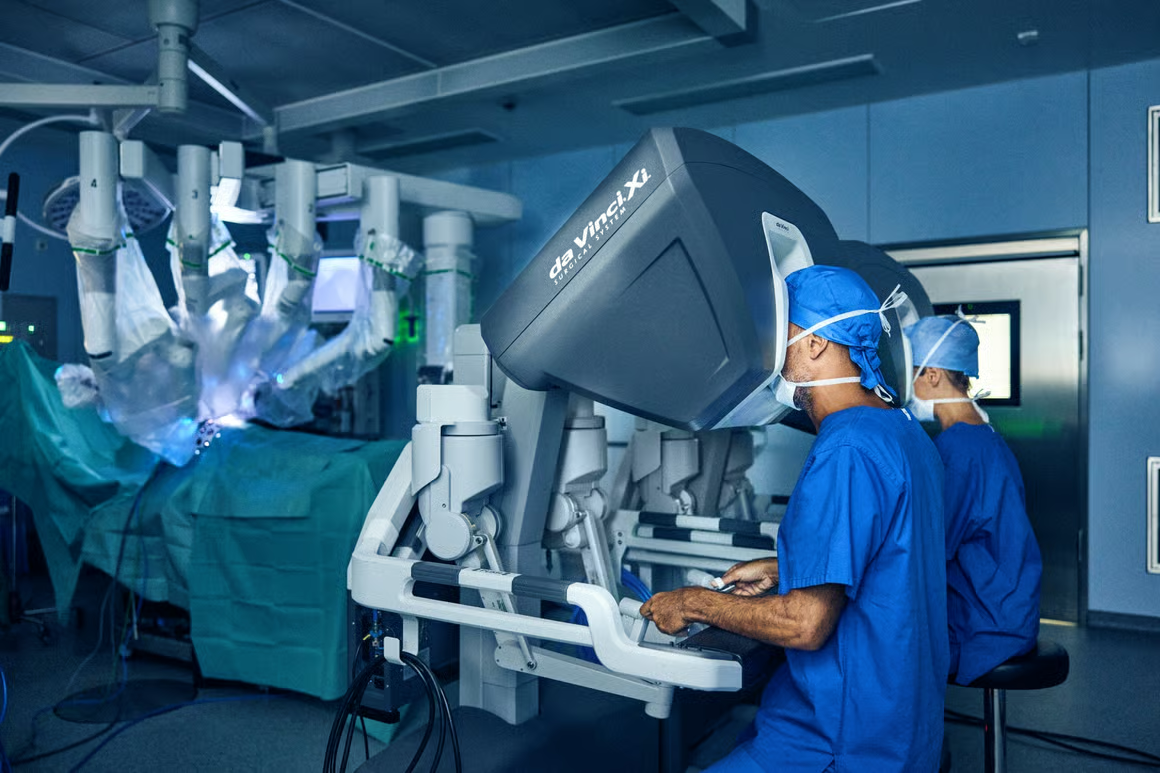
Robotic-assisted surgery offers several advantages, including improved surgical precision, reduced risk of complications, and better overall outcomes. The technology helps minimize damage to surrounding tissues, which can lead to less postoperative pain and quicker healing.
Patients often benefit from smaller incisions, shorter hospital stays, and faster return to daily activities. With enhanced accuracy, robotic-assisted procedures can also improve joint function and increase the lifespan of implants.
Who is a candidate for robotic-assisted surgery?
Candidates for robotic-assisted surgery typically include patients who require joint replacement or other orthopedic procedures and are seeking a more precise and minimally invasive approach. It is especially beneficial for individuals with complex joint conditions or those needing revision surgeries.
Dr. Wassef conducts a thorough evaluation, including imaging and physical assessment, to determine if robotic-assisted surgery is suitable. Each treatment plan is tailored to the patient’s specific anatomy and condition for the best possible results.
What is the recovery like after robotic-assisted surgery?
Recovery following robotic-assisted surgery is often smoother compared to traditional surgical methods. Because of the minimally invasive nature and precise technique, patients usually experience less pain and reduced swelling after the procedure.
Most patients can begin moving shortly after surgery and participate in guided physical therapy to regain strength and mobility. Dr. Wassef and his care team provide comprehensive postoperative support to ensure a safe recovery and long-term success.