Frequently Asked Questions
What are the benefits of Mako robotic hip replacement?
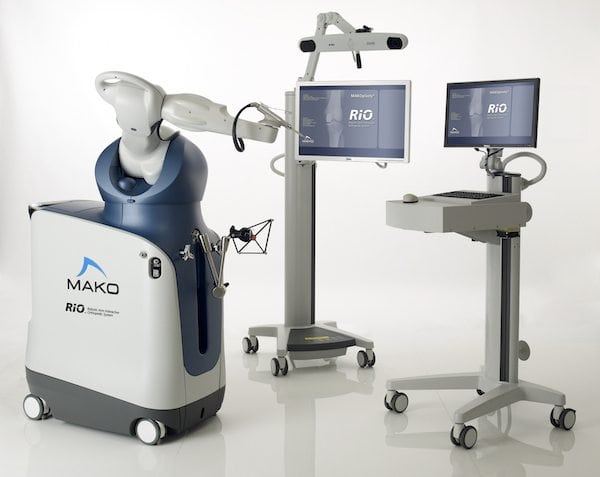
One of the main benefits of Mako robotic technology is its ability to deliver highly accurate and personalized results. The 3D planning process allows for optimal implant positioning, which can improve joint stability, reduce the risk of dislocation, and enhance overall mobility. Patients often experience better functional outcomes and long-term durability of the implant.
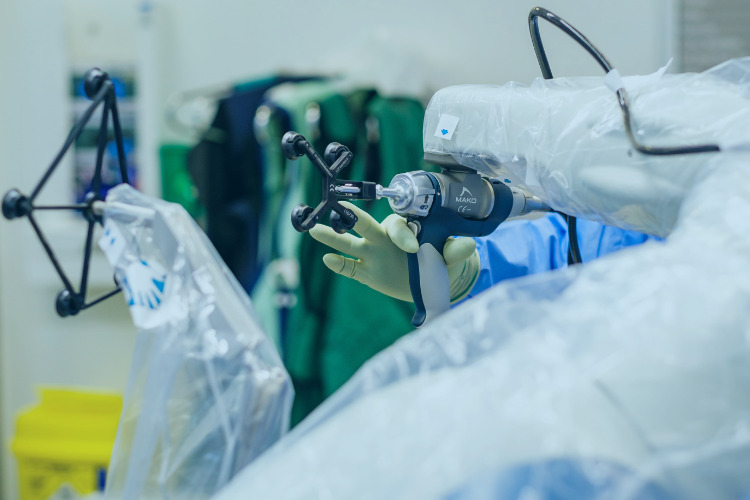
Additionally, this minimally invasive approach typically leads to less trauma to surrounding muscles and tissues. As a result, patients may benefit from reduced pain, shorter hospital stays, and faster recovery compared to traditional hip replacement surgery.
Who is a candidate for Mako robotic hip replacement?
Mako Robotic Total Hip Replacement is commonly recommended for patients experiencing chronic hip pain due to osteoarthritis, rheumatoid arthritis, or injury-related joint damage. It is particularly suitable for individuals who have not achieved relief from non-surgical treatments such as medications, injections, or physical therapy.
A thorough evaluation by an orthopedic specialist is necessary to determine candidacy. Factors such as overall health, bone quality, lifestyle, and severity of joint damage are considered to ensure the best possible outcome from the procedure.
What is the recovery process after Mako hip replacement?
Recovery after Mako robotic hip replacement is often smoother and quicker due to the precision of the procedure. Because the surgery minimizes disruption to surrounding tissues, patients may experience less pain and swelling, allowing them to begin walking and rehabilitation sooner. Early physical therapy is important for restoring strength and mobility.
Most patients can return to light daily activities within a few weeks, while full recovery may take a few months depending on individual progress. The improved accuracy of implant placement also contributes to better long-term function, helping patients regain an active and pain-free lifestyle.