Frequently Asked Questions
What are the benefits of Mako robotic knee replacement?
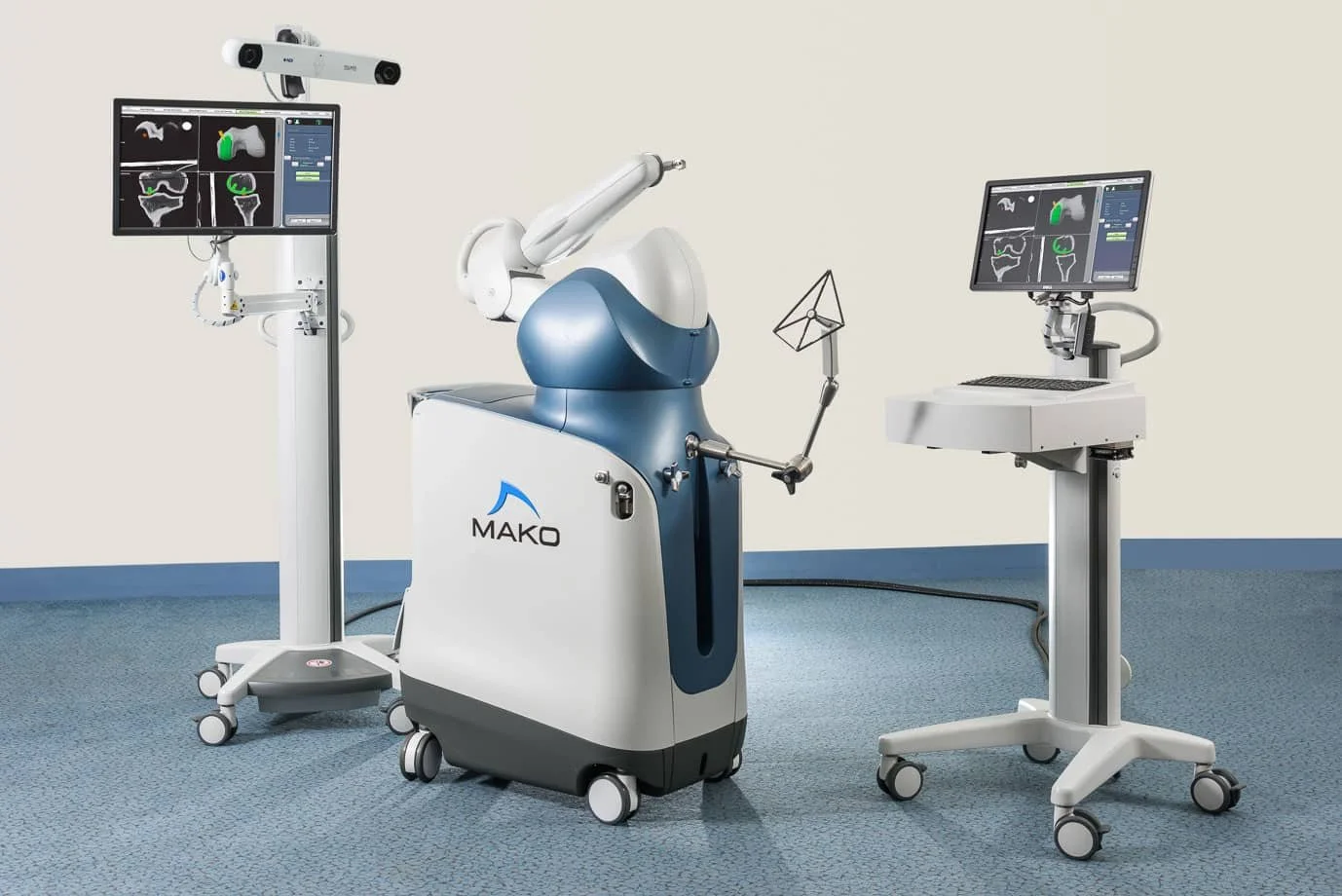
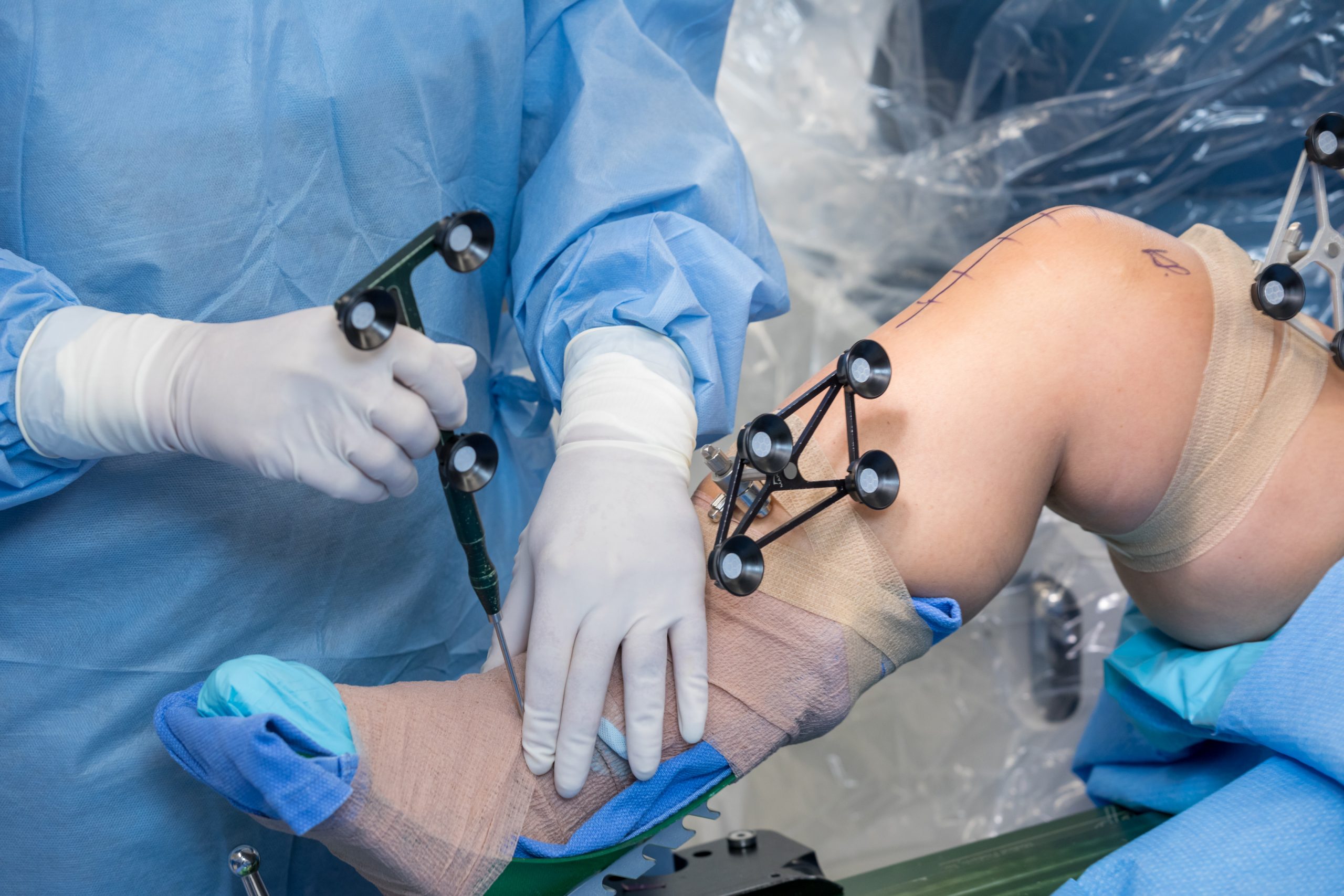
One of the key benefits of Mako robotic technology is its ability to provide highly accurate and personalized surgical outcomes. The 3D planning process allows surgeons to tailor the procedure specifically to the patient’s anatomy, improving implant positioning and overall joint balance. This precision can lead to better function, increased implant longevity, and higher patient satisfaction.
Additionally, the minimally invasive nature of the procedure often results in less damage to surrounding tissues, reduced pain, and quicker recovery times. Many patients experience shorter hospital stays, faster return to daily activities, and improved mobility compared to traditional knee replacement methods.
Who is a candidate for Mako robotic knee replacement?
Mako Robotic Total Knee Replacement is typically recommended for patients suffering from chronic knee pain caused by conditions such as osteoarthritis, rheumatoid arthritis, or joint degeneration. It is especially suitable for individuals who have not found relief through non-surgical treatments like medication, physical therapy, or injections.
Candidates are evaluated based on their overall health, severity of joint damage, and lifestyle needs. A consultation with an orthopedic specialist helps determine whether this advanced robotic-assisted procedure is the best option for restoring mobility and reducing pain effectively.
How does the recovery process look after surgery?
Recovery after Mako robotic knee replacement is often smoother compared to traditional methods due to its precision and minimally invasive approach. Because the surgery minimizes trauma to surrounding tissues, patients may experience less swelling and discomfort, allowing them to begin rehabilitation sooner. Early movement and physical therapy play a key role in regaining strength and flexibility.
Most patients can resume daily activities within a few weeks, although full recovery may take a few months depending on individual health and commitment to rehabilitation. The improved accuracy of implant placement also contributes to better long-term results, helping patients return to an active and pain-free lifestyle.